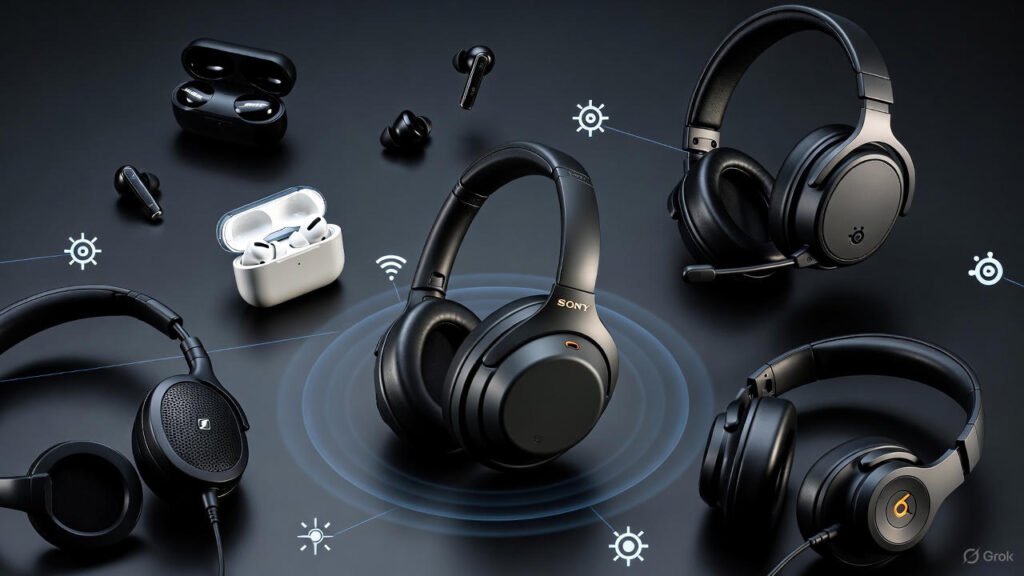
In today’s world, choosing the best headphones goes far beyond just picking a stylish pair. With advancements in audio technology, there is an overwhelming variety of headphones designed to suit different lifestyles, music preferences, and professional needs. From audiophile-grade over-ear headphones to compact wireless earbuds, we provide an in-depth guide to help you make the right choice.
Why Choosing the Right Headphones Matters
Selecting the right headphones is crucial because sound quality, comfort, and functionality significantly impact your listening experience. Whether you are a gamer, music enthusiast, or someone who frequently attends virtual meetings, the ideal pair of headphones can elevate your audio experience, protect your hearing, and even improve focus.
Sound Quality: Crisp highs, balanced mids, and deep bass are essential for an immersive audio experience.
Durability: Premium materials, reinforced cables, and water resistance increase lifespan.
Functionality: Features like noise cancellation, Bluetooth connectivity, and smart assistant integration add convenience and versatility.
Types of Headphones: Choosing According to Your Needs
Understanding different headphone types is critical to finding the best match for your lifestyle.
1. Over-Ear Headphones
Over-ear headphones are ideal for immersive listening experiences, studio work, and gaming. They envelop your ears completely, providing excellent noise isolation and comfort for long sessions.
Pros: Superior sound quality, strong bass, and maximum noise isolation.
Earbuds are compact, portable, and versatile, perfect for commuting, workouts, and casual listening. True wireless models have surged in popularity due to their convenience.
Pros: Highly portable, wireless options, sweat-resistant models for workouts.
Cons: Smaller drivers, sometimes limited bass depth.
When investing in headphones, several modern features can drastically enhance your experience.
1. Active Noise Cancellation (ANC)
ANC reduces external noise by creating inverse sound waves, perfect for commuting, travel, or focusing in noisy environments. Sony WH-1000XM5 and Bose QuietComfort 45 are leaders in this technology.
2. High-Resolution Audio Support
High-resolution audio provides exceptionally detailed sound, replicating the depth and clarity of studio recordings. Look for headphones with aptX HD, LDAC, or FLAC support.
3. Battery Life and Wireless Performance
Modern wireless headphones offer up to 40 hours of battery life, fast charging, and Bluetooth 5.3 or 5.4 for stable connectivity. Earbuds now commonly provide 5–10 hours per charge, with charging cases extending total usage.
4. Comfort and Ergonomics
Materials like memory foam, breathable mesh, and adjustable headbands ensure maximum comfort for long-term wear. Lightweight designs are increasingly preferred for on-the-go lifestyles.
5. Smart Features and Integration
Voice assistant compatibility, touch controls, automatic pause/play sensors, and companion apps add intuitive control and personalization.
Top Headphones in 2026 by Category
Here is a detailed breakdown of industry-leading headphones across different categories:
Connectivity – Test Bluetooth stability or wired connection quality.
Noise Cancellation – Evaluate real-world effectiveness in noisy environments.
Durability – Inspect build quality, material, and flexibility.
Caring for Your Headphones
Proper maintenance can extend the lifespan and performance of your headphones.
Keep them clean, especially ear tips and headband cushions.
Store in a protective case when not in use.
Avoid extreme temperatures or exposure to moisture.
Update firmware regularly if they are smart or wireless models.
Making the Best Choice
Finding the best headphones in 2026 requires balancing sound quality, comfort, features, and budget. Over-ear headphones dominate for home and studio use, while true wireless earbuds remain unbeatable for mobility and convenience. Gaming headsets now combine immersive audio and ergonomic design for professional-grade performance. By evaluating your personal needs, testing models, and considering modern audio technology, you can confidently select headphones that elevate every listening experience.
Investing in high-quality headphones is more than a purchase—it’s enhancing your daily life, whether for work, entertainment, or fitness. With the detailed guidance provided here, choosing the perfect pair has never been more precise.