
untitled 1

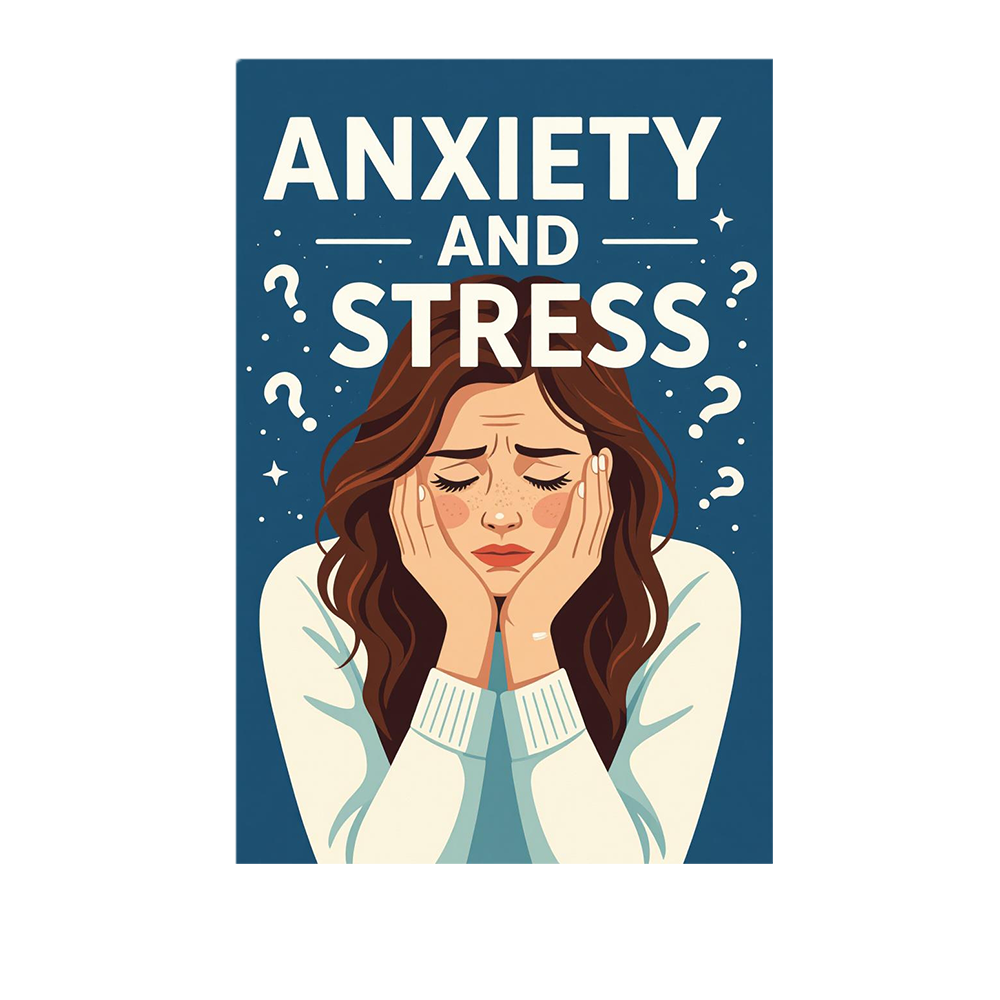
Anxiety and Stress: Understanding the Connection and 7 Proven Ways to Cope Naturally

Introduction

In today’s fast-paced world, anxiety and stress have become part of daily life for millions. Whether it’s work deadlines, financial pressure, or personal relationships, stress can easily spiral into anxiety if left unchecked. Understanding how these two conditions interact is the first step toward regaining balance and peace of mind.

What’s the Difference Between Anxiety and Stress?


Although the terms are often used interchangeably, they aren’t the same:

  • Stress is your body’s response to an external challenge — like a tough job interview or a looming exam.

  • Anxiety, on the other hand, is an internal reaction that continues even after the stressor is gone. It’s a persistent feeling of fear or unease about what might happen.

While short-term stress can actually motivate you, chronic stress can lead to anxiety disorders, sleep problems, and even heart issues.


The Science Behind Stress and Anxiety


When you face a stressful situation, your body releases cortisol and adrenaline — hormones that prepare you for “fight or flight.”
But constant exposure to these chemicals keeps your nervous system in overdrive, leading to symptoms like:

  • Muscle tension and fatigue

  • Difficulty concentrating

  • Irritability or restlessness

  • Headaches and digestive problems

Over time, chronic stress rewires your brain’s response to threats, making anxiety more likely.

untitled 1

   7 Proven Ways to Manage Anxiety and Stress Naturally


1. Practice Mindful Breathing

Deep breathing helps activate your parasympathetic nervous system, reducing cortisol levels and promoting calm. Try inhaling for four seconds, holding for four, and exhaling for four.

2. Exercise Regularly

Physical activity releases endorphins, your body’s natural stress relievers. Even a 30-minute walk can improve your mood and energy.

3. Limit Caffeine and Sugar

Too much caffeine or sugar spikes your energy temporarily but can trigger anxiety symptoms later. Opt for herbal teas or balanced meals instead.

4. Prioritize Quality Sleep

Lack of sleep intensifies stress and anxiety. Stick to a regular bedtime and avoid screens one hour before sleeping.

5. Practice Gratitude and Journaling

Writing down your thoughts helps release mental tension. End each day by noting three things you’re grateful for.

6. Connect with Loved Ones

Talking with someone you trust can help you feel supported and less alone. Social connection is a powerful stress buffer.

7. Try Relaxation Techniques

Yoga, meditation, and aromatherapy (like lavender oil) have been shown to calm the nervous system and reduce anxiety naturally.

product that can help with anxiety and stress

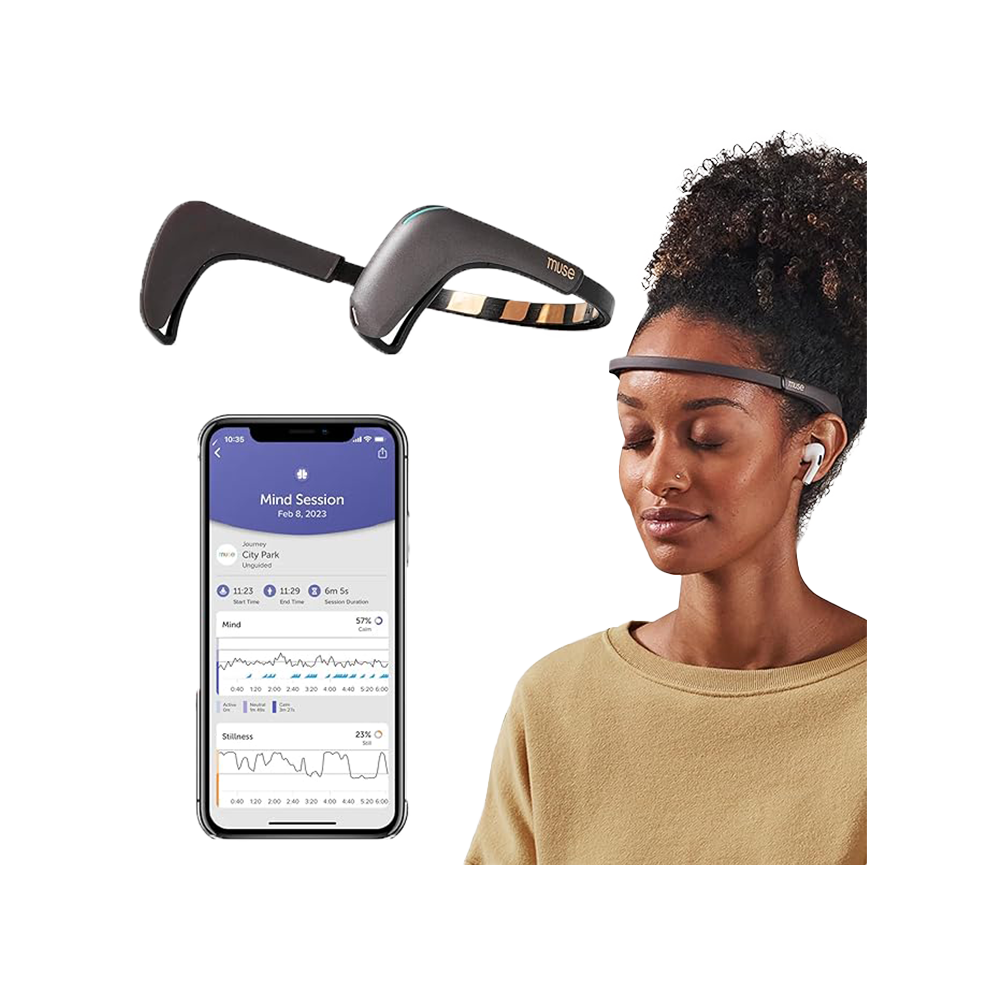
🧘  Muse 2: The Brain-Sensing Headband
$249.99
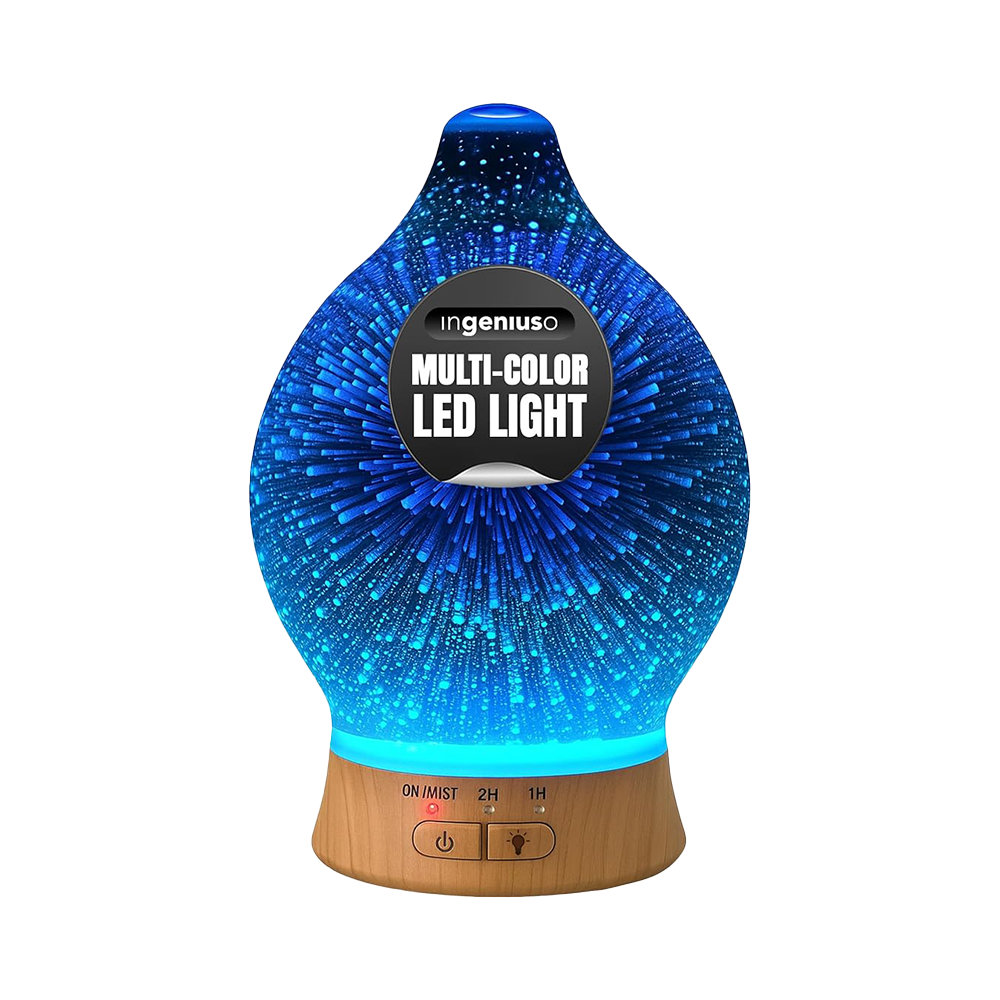
🌿Vitruvi Stone Essential Oil Diffuser
$29.95
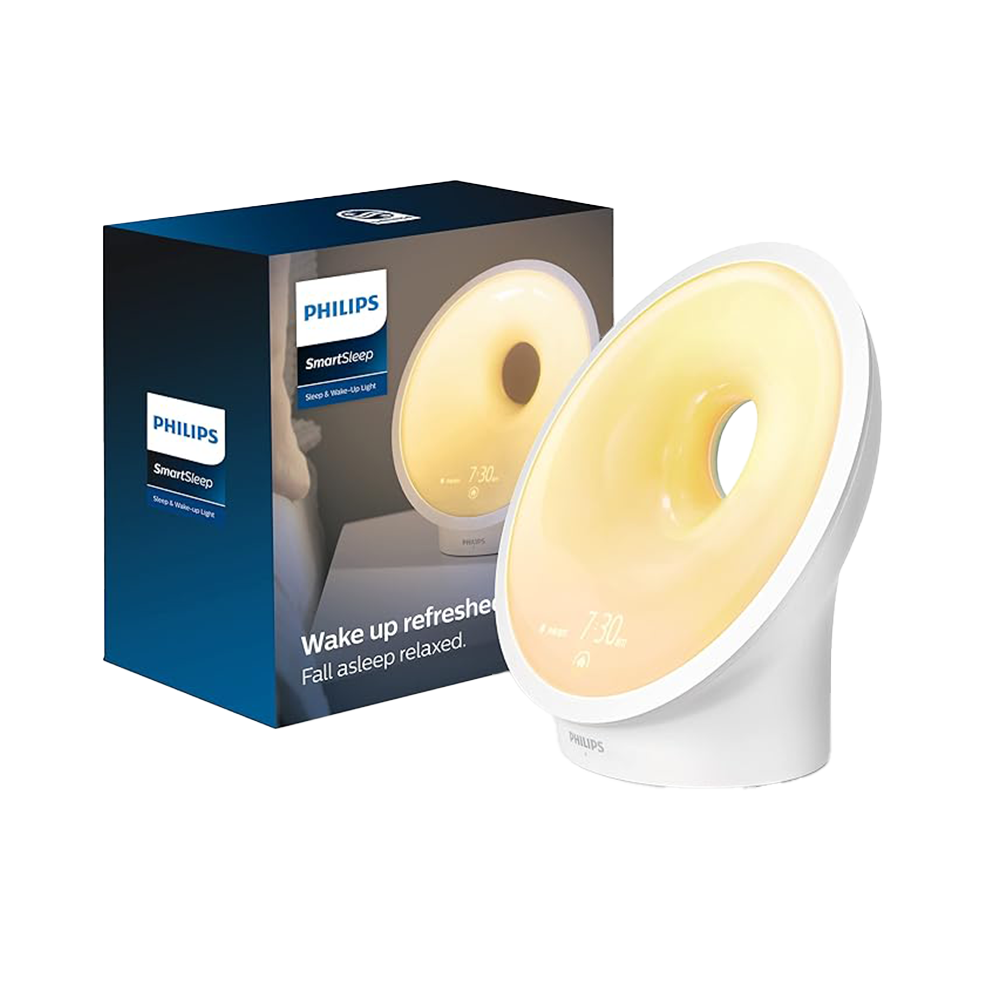
Philips SmartSleep Wake-Up Light
$179.99
Four Sigmatic Adaptogen Coffee with Ashwagandha
$14.95

When to Seek Professional Help

If anxiety or stress starts to affect your daily life, relationships, or work performance, consider reaching out to a therapist.
Cognitive Behavioral Therapy (CBT) and other counseling approaches can help you reframe negative thought patterns and develop long-term coping skills.


Final Thoughts

Managing anxiety and stress isn’t about eliminating them entirely — it’s about learning to respond with awareness and balance. By adopting healthy habits and practicing mindfulness, you can reclaim your peace and build emotional resilience.