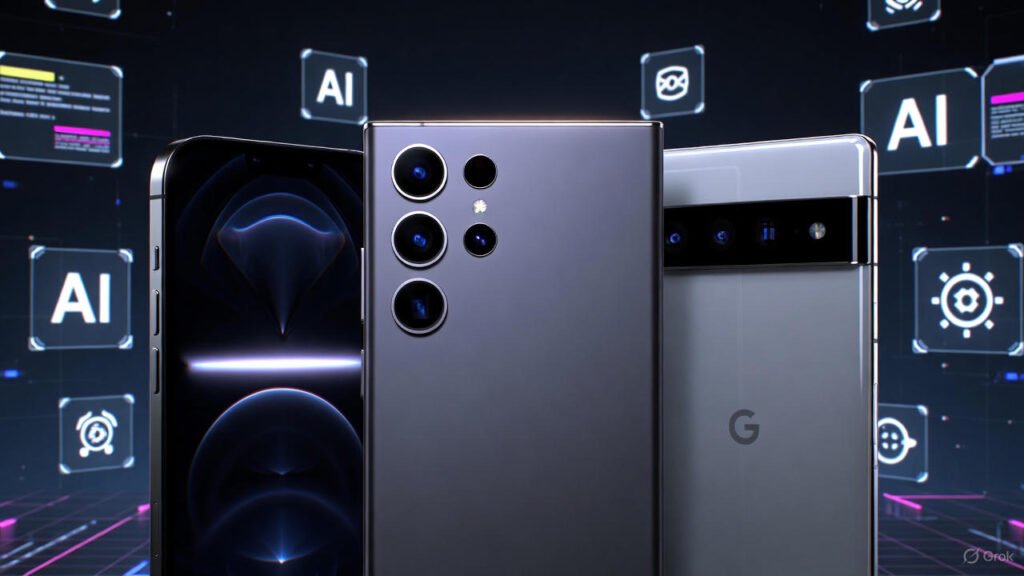
As we head into 2026, the smartphone market continues to evolve with advancements in AI, camera technology, and design. Searches for “best phones 2026” and “which phone should I buy” are skyrocketing, as consumers seek devices that balance performance, innovation, and value. This guide compares three top contenders: Apple’s iPhone 17 series, Samsung’s Galaxy S25 lineup, and Google’s Pixel 10 family. Based on leaks, rumors, and expert predictions, we’ll break down features, estimated prices, pros, and cons to help you make an informed choice. These models represent the pinnacle of mobile tech, with iterative upgrades in processors, connectivity, and user experience.
1. Apple iPhone 17 Series
Expected to launch in September 2026, the iPhone 17 series builds on Apple’s ecosystem with rumored under-screen Face ID, a slimmer design, and enhanced AI integration via Apple Intelligence. The lineup may include the iPhone 17, 17 Pro, 17 Pro Max, and possibly a foldable variant.
Processor: A20 Bionic chip for superior performance and efficiency.
Camera: Upgraded triple-lens system with fresh sensor tech, potentially relocating the front camera for a seamless display.
Display: 6.1-6.9 inch Super Retina XDR with under-display biometrics.
Battery: Larger capacity for all-day use.
Other: Smarter modem for faster 5G, iOS 20 with advanced AI features.
Estimated Prices:
iPhone 17: $799
iPhone 17 Pro: $1,099
iPhone 17 Pro Max: $1,199
Pros and Cons:
Aspect
Pros
Cons
Performance
Blazing-fast chip and seamless iOS integration
Higher price point
Camera
Excellent low-light photography and video
No major revolutionary changes from 2025 models
Design
Slimmer profile, potential foldable option
Limited customization compared to Android
Battery
Improved longevity
Slower charging speeds than competitors
Ecosystem
Tight integration with Apple devices
Locked-in ecosystem may feel restrictive
2. Samsung Galaxy S25 Series
Slated for a February or March 2026 release, the Galaxy S26 series emphasizes versatility with the Exynos 2600 chipset and potential magnetic charging. It includes the S25, S25+, and S25 Ultra, focusing on camera refinements and faster charging.
Processor: Exynos 2600 or Snapdragon equivalent for global variants.
Camera: 200MP main sensor on Ultra, with AI-enhanced processing.
Display: 6.2-6.8 inch Dynamic AMOLED 2X with high refresh rates.
Battery: 5,000mAh+ with 60W wired and 25W wireless charging.
Other: One UI 8 on Android 16, S Pen support on Ultra.
Estimated Prices:
Galaxy S25: $799
Galaxy S25+: $999
Galaxy S25 Ultra: $1,099.85
Pros and Cons:
Aspect
Pros
Cons
Performance
Powerful multitasking and gaming
Exynos variants may underperform in some regions
Camera
Versatile zoom and pro modes
Iterative updates, no massive leap in quality
Design
Premium build with expandable storage options
Bulky Ultra model
Battery
Fast charging capabilities
Battery life could be better under heavy use
Ecosystem
Deep integration with Galaxy wearables
Bloatware in software
3. Google Pixel 10 Series
Anticipated for an August 2026 debut, the Pixel 11 stands out with its Tensor G6 processor and AI-driven features like Gemini integration. The series includes Pixel 10, 10 Pro, and 10 Pro XL, praised for clean software and photography prowess.
Processor: Tensor G6 with massive modem upgrade for faster 5G.
Camera: Triple rear setup with AI magic like real-time editing.
Display: 6.3-6.8 inch Actua Display with 120Hz refresh.
Battery: Optimized for efficiency, with Qi2 wireless charging.
Other: Pure Android 17 experience, seven years of updates.
Estimated Prices:
Pixel 10: $699
Pixel 10 Pro: $999
Pixel 10 Pro XL: $1,099
Pros and Cons:
Aspect
Pros
Cons
Performance
Smooth AI features and stock Android
Tensor chip may lag in raw power vs rivals
Camera
Best-in-class computational photography
Fewer lens options than Ultra models
Design
Clean, modern aesthetic
No foldable in standard lineup
Battery
Solid endurance with smart optimizations
Slower charging speeds
Ecosystem
Deep Google services integration
Limited hardware accessories
Head-to-Head Comparison
Feature
iPhone 17 Pro
Galaxy S25 Ultra
Pixel 10 Pro XL
Processor
A20 Bionic
Exynos 2600
Tensor G6
Camera Setup
Triple (48MP main)
Quad (200MP main)
Triple (50MP main)
Display Size
6.7-inch
6.8-inch
6.8-inch
Battery
~4,600mAh
5,000mAh
~5,000mAh
Charging
45W wired
60W wired
30W wired
Starting Price
$1,099
$1,299
$1,099
OS
iOS 20
Android 16 (One UI 8)
Android 17
Unique Selling Point
Ecosystem seamless
Versatile hardware
AI photography
hich Phone Should You Buy?
If you’re deep in the Apple world, go for the iPhone 17 for its reliability and privacy focus. Android enthusiasts might prefer the Galaxy S25 for customization and power. For pure software and AI smarts, the Pixel 10 is a strong contender, often hailed as 2026’s best overall. Consider your budget, preferred OS, and must-have features—mobile guides like this remain evergreen as tech advances.