


boost energy and fitness

5 Ways to Boost Energy and Fitness by Breaking Sedentary Habits

Table of Contents

Understanding the Modern Sedentary Lifestyle Challenge

In an age dominated by digital screens, remote work, and extended periods of sitting, sedentary behavior has become a widespread health concern. Many individuals report persistent low energy, gradual weight gain, reduced cardiovascular fitness, and waning overall well-being. This pattern is not merely about being inactive for short periods — it’s about how prolonged sitting and lack of movement systematically undermine metabolic health, muscular strength, mental resilience, and longevity.

The consequence of ignoring this trend goes beyond occasional fatigue. Scientific evidence shows that a sedentary lifestyle is associated with higher risks of type 2 diabetes, heart disease, obesity, and metabolic dysfunction. Breaking this cycle requires deliberate action, structured planning, and consistent habits that foster movement and vitality.

The Science Behind Physical Activity and Health

Public health authorities such as the Centers for Disease Control and Prevention (CDC) and World Health Organization (WHO) recommend a minimum of 150 minutes of moderate-intensity aerobic activity per week, paired with regular strength training. This benchmark reflects research showing that meeting or exceeding this level yields multiple physiological benefits:

  • Improved cardiovascular health: Regular exercise strengthens the heart muscle, enhances circulation, and reduces blood pressure.

  • Better weight regulation: Physical activity increases caloric expenditure and supports lean muscle maintenance, which elevates metabolic rate.

  • Enhanced mental well-being: Movement stimulates neurotransmitters like serotonin and endorphins, which improve mood, reduce anxiety, and sharpen cognitive clarity.

  • Sleep optimization: Being active helps regulate circadian rhythms and contributes to deeper, more restorative sleep.

  • Musculoskeletal resilience: Exercise promotes stronger bones, improved balance, and reduced risk of falls and injuries.

Even if someone starts below these guidelines, measurable progress — such as walking 10,000 steps per day or engaging in short bursts of activity — can deliver meaningful health improvements.

Practical Foundations for Building Physical Activity Habits
Start with Intentional Movement

For many, the idea of exercising feels daunting. To counter this, begin with movement goals that feel achievable:

  • Brisk Walking: Aim for 30 minutes most days. A pace that raises your heart rate and makes conversation slightly challenging — but not impossible — qualifies as moderate-intensity. This is one of the most accessible forms of aerobic activity.

  • Cycling: Whether outdoors or on a stationary bike, cycling reduces joint impact while providing substantial cardiovascular benefits.

  • Incremental Activity Breaks: Stand, stretch, and walk briefly every 30–45 minutes during long periods of sitting. This interrupts sedentary time and boosts circulation.

Focus on consistency rather than intensity at first. Small, regular efforts build a foundation for greater achievements.

Tracking Progress to Stay Motivated

Monitoring your activity does more than record progress — it reinforces accountability and helps adjust intensity:

  • Use step targets (e.g., 7,000–10,000 steps per day) as a baseline.

  • Track heart rate zones to ensure you’re exercising at levels that support cardiovascular improvement.

  • Keep a simple activity journal or use a digital tracker to visualize weekly trends and celebrate milestones.

Seeing progress in concrete numbers can transform exercise from a vague goal into a measurable habit.

Fueling Your Body: Nutrition and Movement Synergy

Effective fitness improvements are supported by balanced nutrition. Simply increasing activity without addressing diet can limit results.

Balanced Eating for Energy and Recovery

A nutritious eating pattern supplies the energy needed for activity while supporting recovery and metabolic health:

  • Vegetables and fruits: Provide fiber, antioxidants, and micronutrients.

  • Whole grains: Offer sustained energy and support metabolic function.

  • Lean proteins: Essential for muscle repair, immune support, and satiety.

  • Healthy fats: Sources like olive oil, nuts, and seeds support cellular health.

The concept of a “healthy plate” — where half the plate is vegetables and fruits, a quarter is lean protein, and a quarter is whole grains — aligns eating with activity goals, enabling more consistent performance and recovery.

Strength Training: A Key Pillar for Longevity

While aerobic activity is critical, strength training plays a unique role in long-term fitness:

  • Builds and preserves muscle mass.

  • Improves bone density.

  • Enhances metabolic function.

  • Reduces risk of age-related muscle loss.

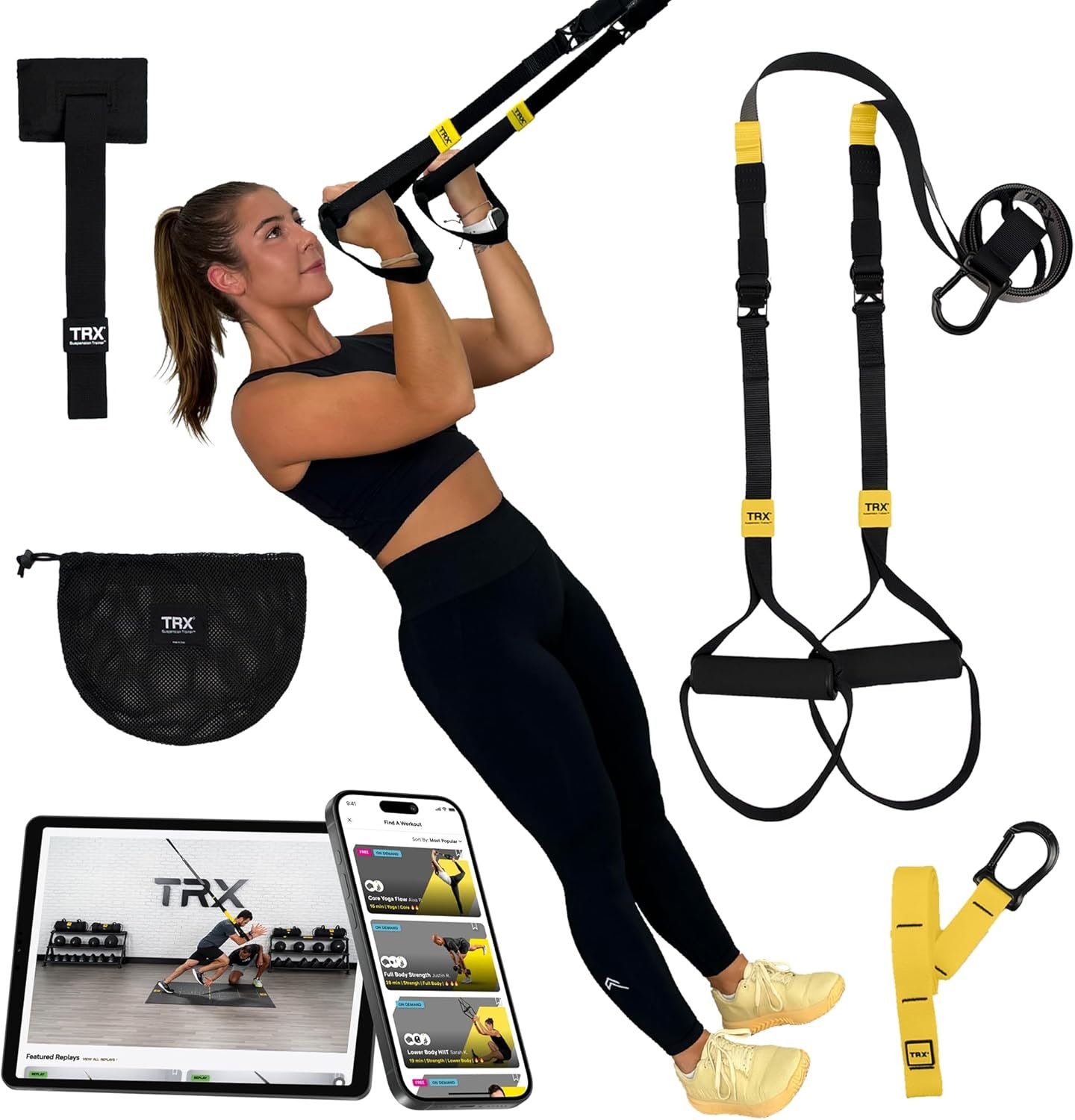
Incorporate strength sessions 2–3 times per week. This can include bodyweight exercises (like squats and push-ups), resistance bands, or weighted movements. Combining strength and cardiovascular training creates a balanced fitness regimen that supports overall health and functional strength.

Integrating Flexibility and Mobility Work

Flexibility and mobility are often overlooked but are essential for injury prevention and efficient movement patterns. Include:

  • Stretching routines: Target major muscle groups after workouts.

  • Dynamic warm-ups: Before exercise to increase blood flow.

  • Yoga or mobility sessions: Improve joint range and reduce tension.

Regular mobility work enhances performance and ease of movement in daily life.

Smart Use of Technology to Support Fitness Goals

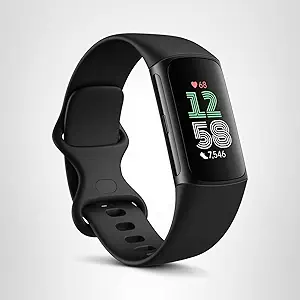
Wearable technology can be a valuable ally in maintaining focus, tracking consistency, and measuring progress. Devices that monitor:

  • Heart rate: Helps gauge exercise intensity.

  • Sleep quality: Ensures recovery is on track.

  • Step count and movement patterns: Encourages daily activity goals.

Many modern trackers also offer guided workouts tailored to different fitness levels, from beginner to advanced.

Lifestyle Adjustments to Reduce Sedentary Risk

Improving physical health is not limited to formal workouts. Integrate movement into daily routines:

  • Take stairs instead of elevators.

  • Walk or cycle short errands.

  • Stand during phone calls.

  • Use standing desks or activity-friendly workstations.

These lifestyle shifts reduce total sedentary time and contribute to greater daily energy expenditure.

Mental and Emotional Benefits of Regular Physical Activity

Exercise influences mental health as profoundly as physical health. Regular movement:

  • Reduces symptoms of stress and anxiety.

  • Increases clarity, focus, and cognitive function.

  • Boosts self-confidence through mastery and progress.

Activity becomes more sustainable when perceived not as a chore but as a source of improved mood and mental resilience.

Overcoming Barriers: Common Challenges and Solutions

Everyone faces obstacles when establishing fitness habits. Common barriers include:

  • Time constraints: Break workouts into shorter sessions throughout the day.

  • Lack of motivation: Partner with a friend or join a group class for accountability.

  • Physical limitations: Choose low-impact options like swimming or yoga that are gentle yet effective.

Adaptability is key. Tailoring your approach to your lifestyle increases the chances of long-term adherence and success.

Conclusion: Transforming Habits for Lasting Health

Combatting sedentary habits and building physical fitness is a holistic endeavor. It encompasses intentional movement, balanced nutrition, smart tracking, strength and mobility training, and sustainable lifestyle adjustments. Each step forward, no matter how small, contributes to amplified energy levels, improved weight management, stronger health markers, and a greater sense of overall wellness.

By weaving these practices into daily life, you forge habits that support both today’s vitality and tomorrow’s longevity.

2 thoughts on “5 Ways to Boost Energy and Fitness by Breaking Sedentary Habits”

  1. Vertyowdiwjodko kofkosfjwgojfsjf oijwfwsfjowehgewjiofwj jewfkwkfdoeguhrfkadwknfew ijedkaoaswnfeugjfkadcajsfn elouidany.com

Leave a Comment

Your email address will not be published. Required fields are marked *