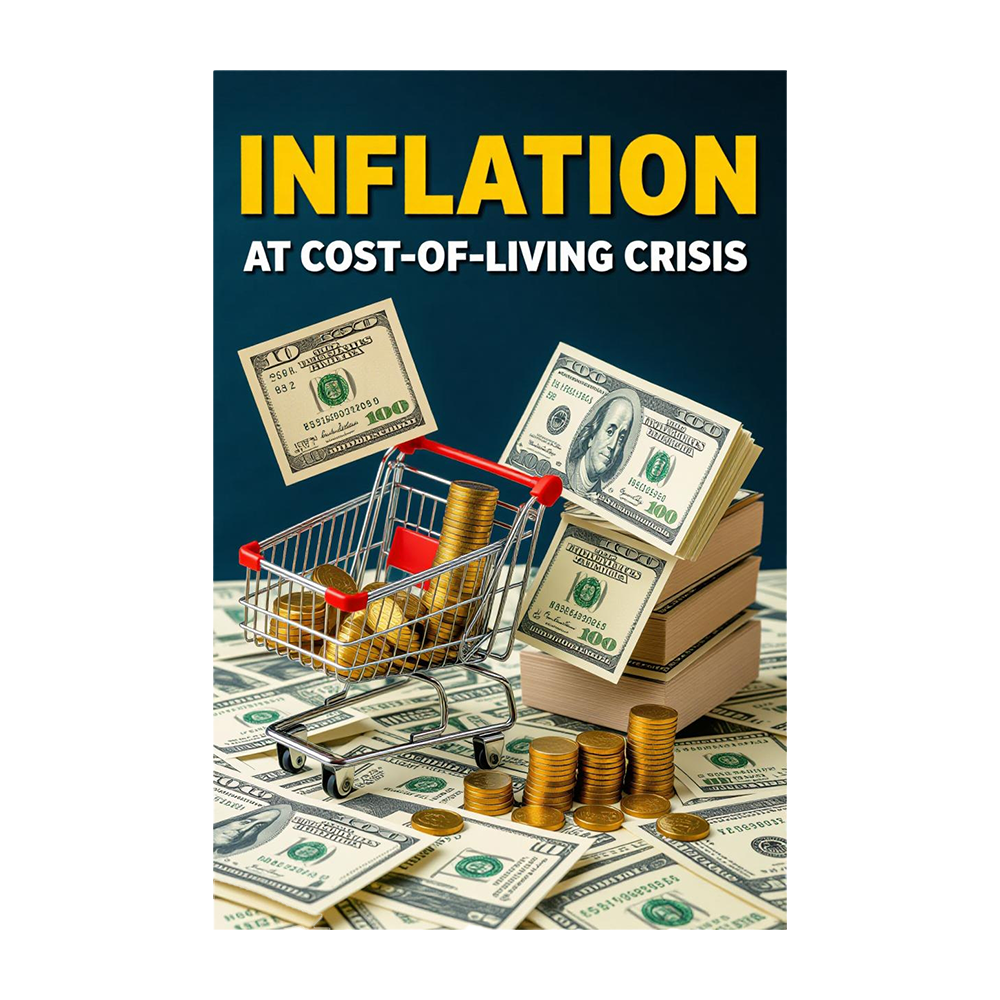
Inflation and the Global Cost-of-Living Crisis in 2025
The year 2025 has brought one of the most severe cost-of-living crises in decades. According to Statista, inflation remains among the top global concerns. People everywhere are struggling to keep up with rising prices for basic necessities.
What Is Inflation and Why Is It Rising?
Inflation is the steady increase in prices over time. When the cost of goods and services goes up, the purchasing power of money decreases. In 2025, this problem has become global. The main causes include disrupted supply chains, geopolitical tensions, and increased energy costs.
Governments are trying to stabilize economies, but high demand and limited resources make it difficult. The situation has forced people to rethink how they spend and save.

How Inflation Impacts Everyday Life
Rising inflation affects almost every aspect of daily living. Food, rent, fuel, and utilities are more expensive than ever. Families face tough choices between essential needs. For many, saving money has become nearly impossible.
Businesses are also struggling. Higher production costs mean smaller profit margins. Some companies are reducing staff, which increases unemployment and adds more pressure on households.

The Real Causes Behind the Cost-of-Living Crisis
Several interconnected factors are driving this global crisis:
Energy Price Hikes: Fuel and electricity prices have surged, increasing transportation and manufacturing costs.
Supply Chain Disruptions: Global shipping delays have raised import costs.
Geopolitical Conflicts: Wars and trade restrictions are pushing prices higher.
Post-Pandemic Recovery: Demand soared faster than supply, leading to shortages.
Climate Change: Droughts and floods affect agriculture, increasing food prices.
Which Countries Are Hit the Hardest?
Developing nations are feeling the greatest impact. Rapidly rising food and fuel prices hit low-income households hardest. Even in wealthy countries, middle-class families are struggling with increased mortgage rates and rent costs.
In regions like Europe, Africa, and Latin America, inflation is reshaping how people live and spend. Governments are offering subsidies, but they are often not enough.
Practical Ways to Cope with Inflation
Surviving the cost-of-living crisis requires smart strategies. Here are a few effective steps:
Track your expenses: Monitor where your money goes each month.
Reduce non-essential spending: Focus only on what’s necessary.
Buy in bulk: It saves money in the long run.
Invest wisely: Consider low-risk investments to protect savings.
Increase income sources: Freelancing or side businesses can help bridge financial gaps.
These methods can make a real difference when every dollar counts.
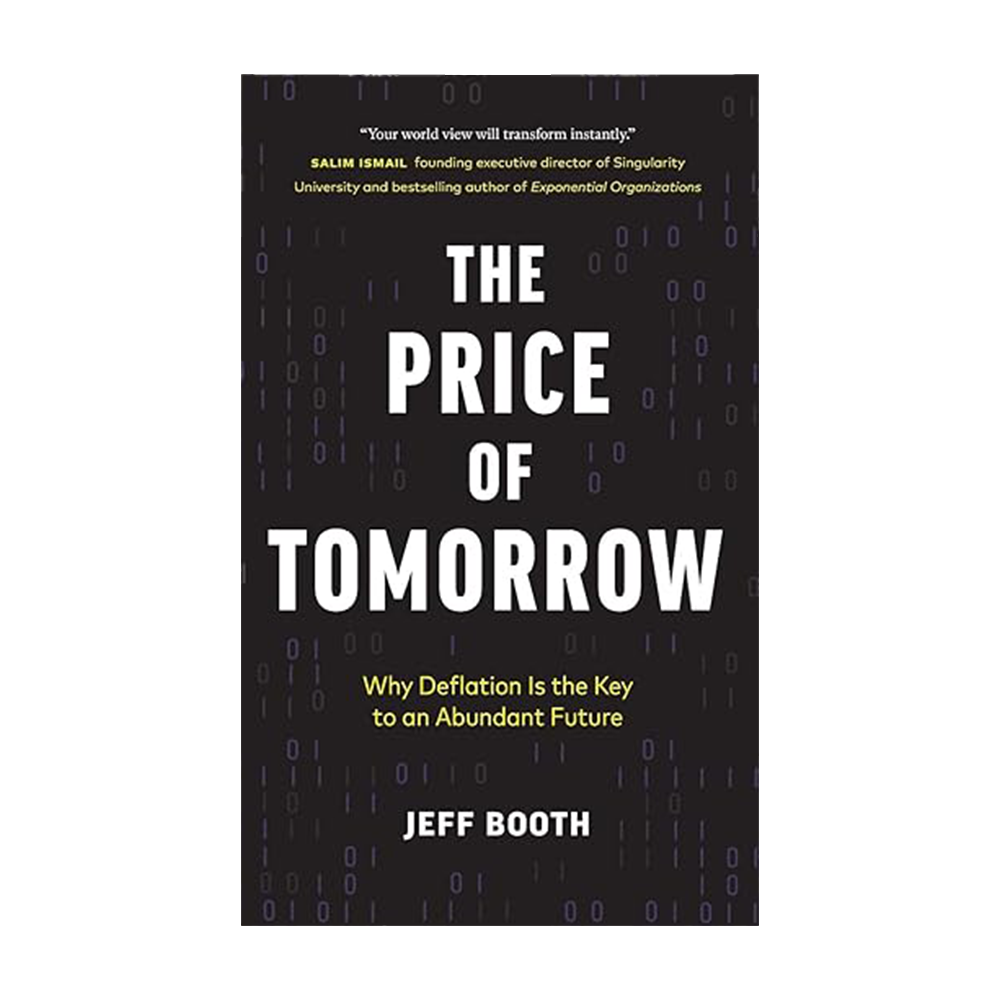
This book is intended for those interested in preparing for disasters or comprehensive crises
Government and Global Responses
Governments worldwide are introducing financial aid and policy reforms. Central banks are raising interest rates to slow inflation. However, these measures take time to show results.
Organizations like the IMF and World Bank are calling for more sustainable solutions, including renewable energy investments and improved food security systems.
Technology’s Role in Combating Inflation
Technology is helping individuals and businesses manage inflation better. Smart budgeting apps, digital banking, and e-commerce platforms provide better financial control. Automation and AI also reduce costs for companies, leading to more stable prices in the long term.
The Human Side of Inflation
Behind every statistic is a real person facing financial stress. The emotional toll of inflation includes anxiety, uncertainty, and loss of hope. Communities are coming together to support one another through sharing resources and local initiatives.
What Lies Ahead for 2026 and Beyond
Experts predict inflation may gradually ease as supply chains recover. However, structural economic reforms are essential to prevent future crises. The focus must shift toward renewable energy, digital transformation, and social support systems.
Conclusion
The inflation and cost-of-living crisis in 2025 is a wake-up call for the global economy. Everyone — from individuals to governments — must act wisely to build a more resilient future. With awareness, strategy, and innovation, we can navigate these challenging times and restore financial stability.