The Moon is the most familiar object in our night sky and has guided humanity for thousands of years. It affects tides, influences cultures, and inspires dreams. But what exactly makes it so special?
The Moon is Earthโs only natural satellite, orbiting our planet every 27.3 days.
Its surface is covered with craters, valleys, and mountains, formed by ancient asteroid impacts.
The Moon doesnโt produce its own light โ it reflects sunlight, giving it that silver glow we see each night.
How to see it best:
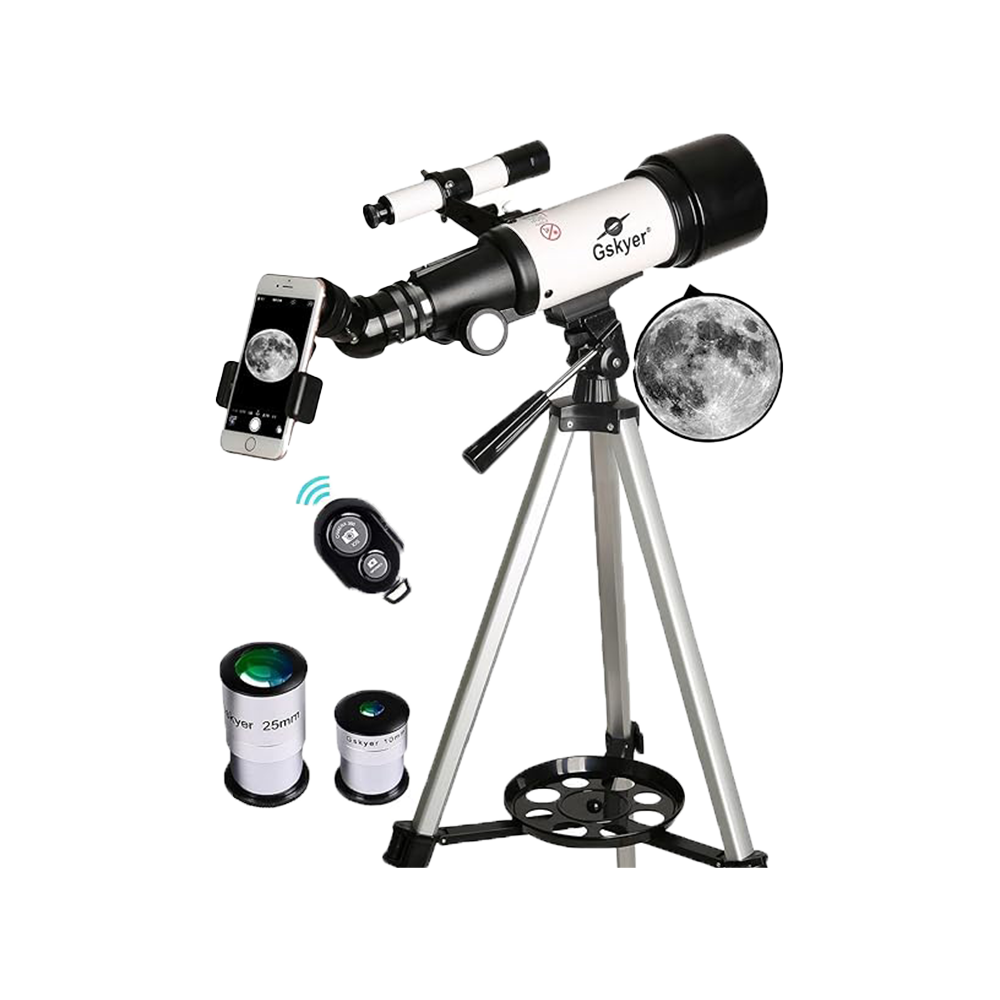
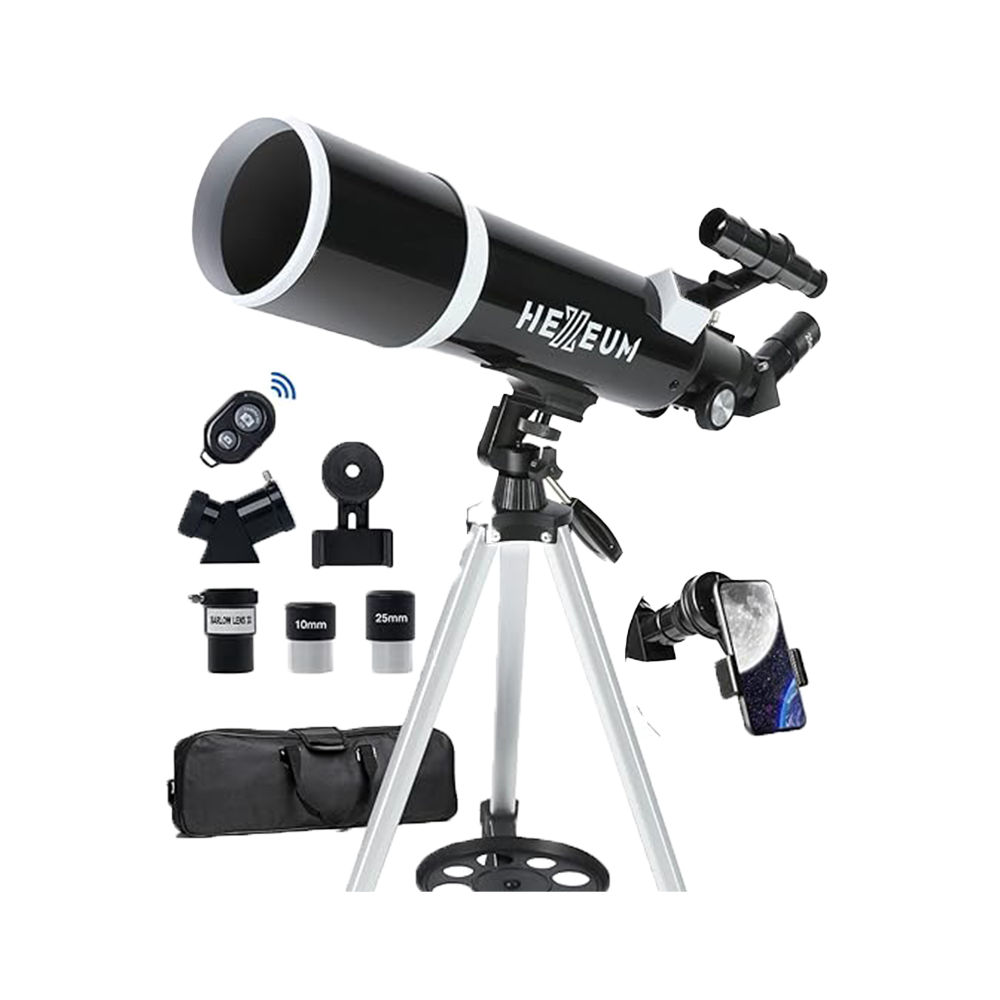
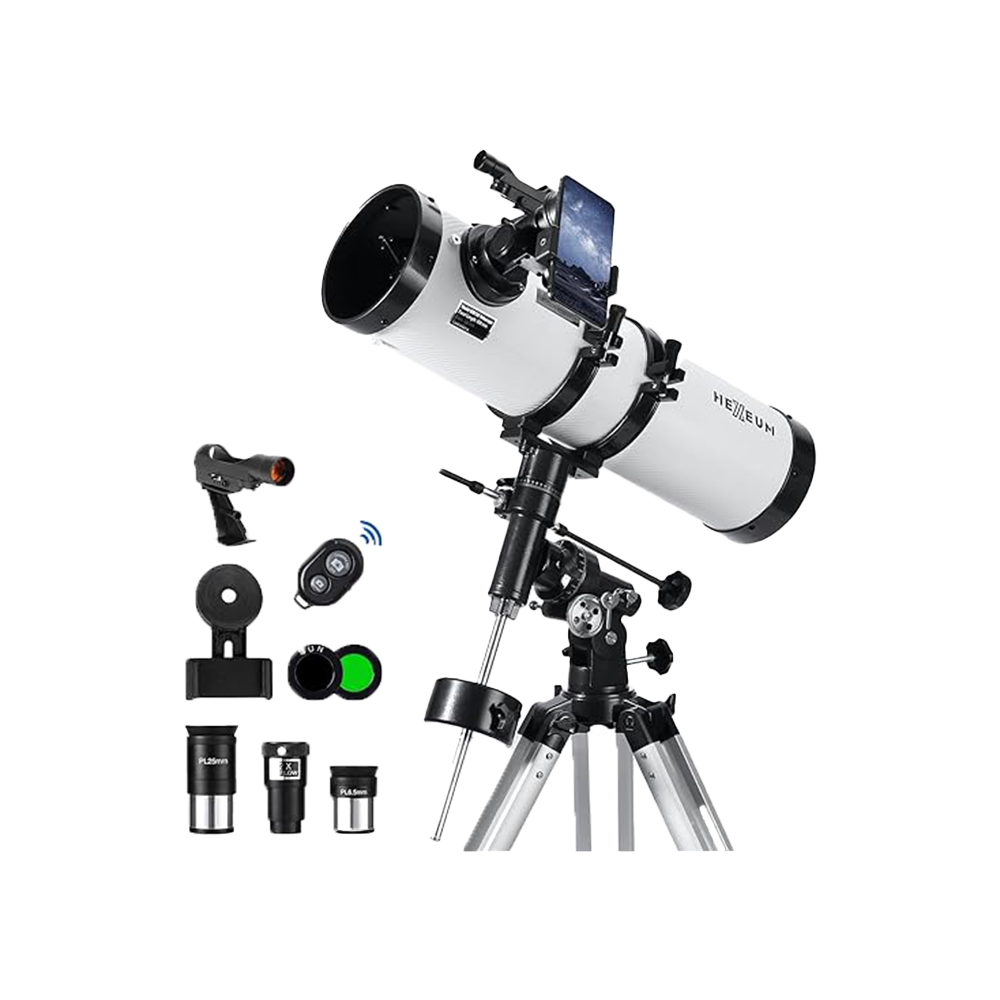
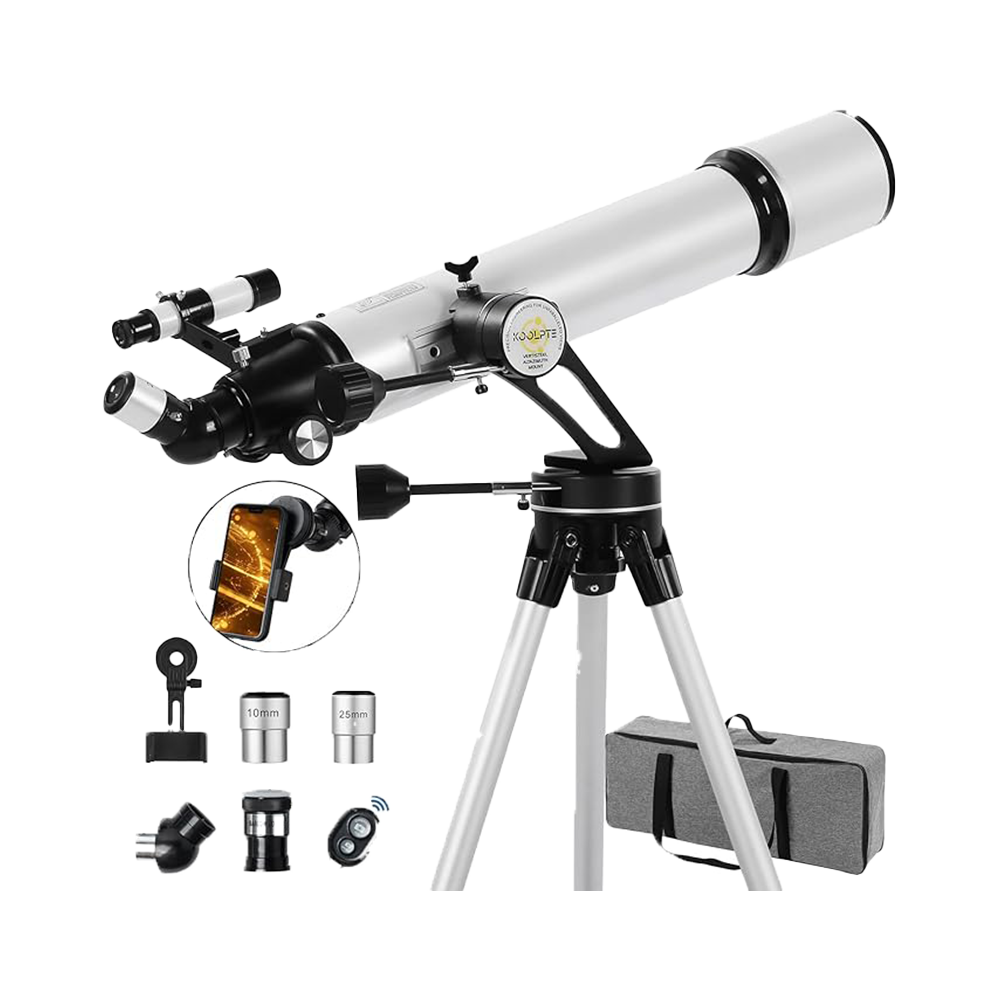
You can observe the Moon with the naked eye, but a small telescope or binoculars can reveal amazing details like the Sea of Tranquility or Tycho Crater. The best time to view it is during the first quarter or last quarter phase, when shadows highlight its surface features.
.
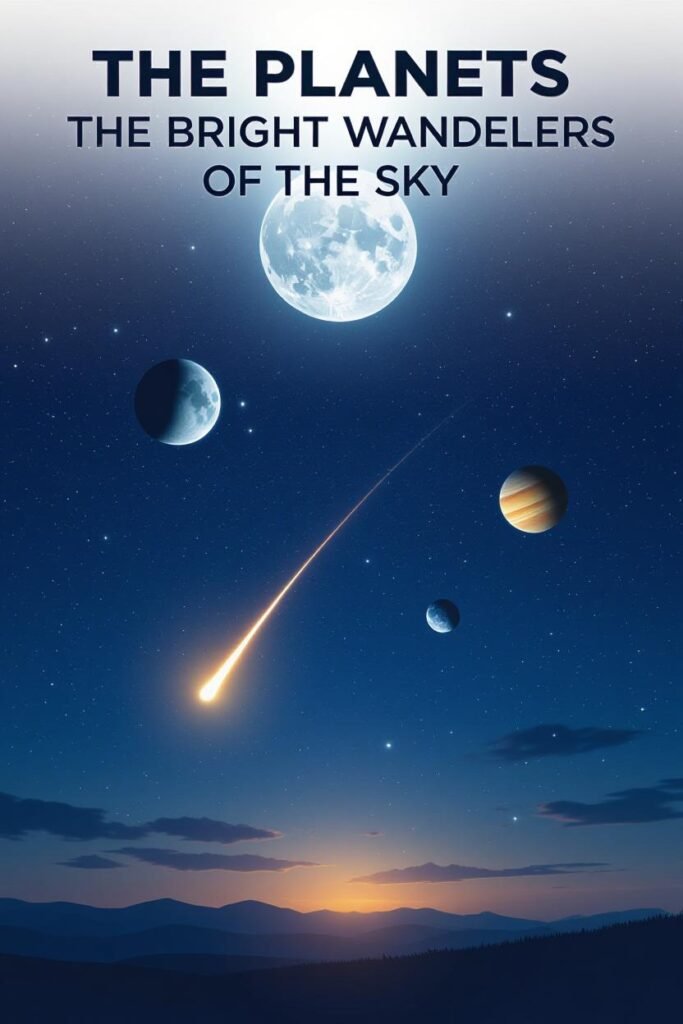
Unlike stars, planets donโt twinkle โ they shine with a steady light. You can often see several of them just by looking up!
Here are a few to look for:
Venus: The brightest planet, often visible near sunset or sunrise. Itโs called the Morning Star or Evening Star.
Mars: The red planet, easy to spot with its distinct orange-red glow.
Jupiter: The largest planet, visible most of the year and often near the Moon.
Saturn: With its stunning rings, itโs a breathtaking sight through a telescope.
Pro Tip: Use stargazing apps like SkyView, Star Walk 2, or Sky Tonight to help locate planets in real time.
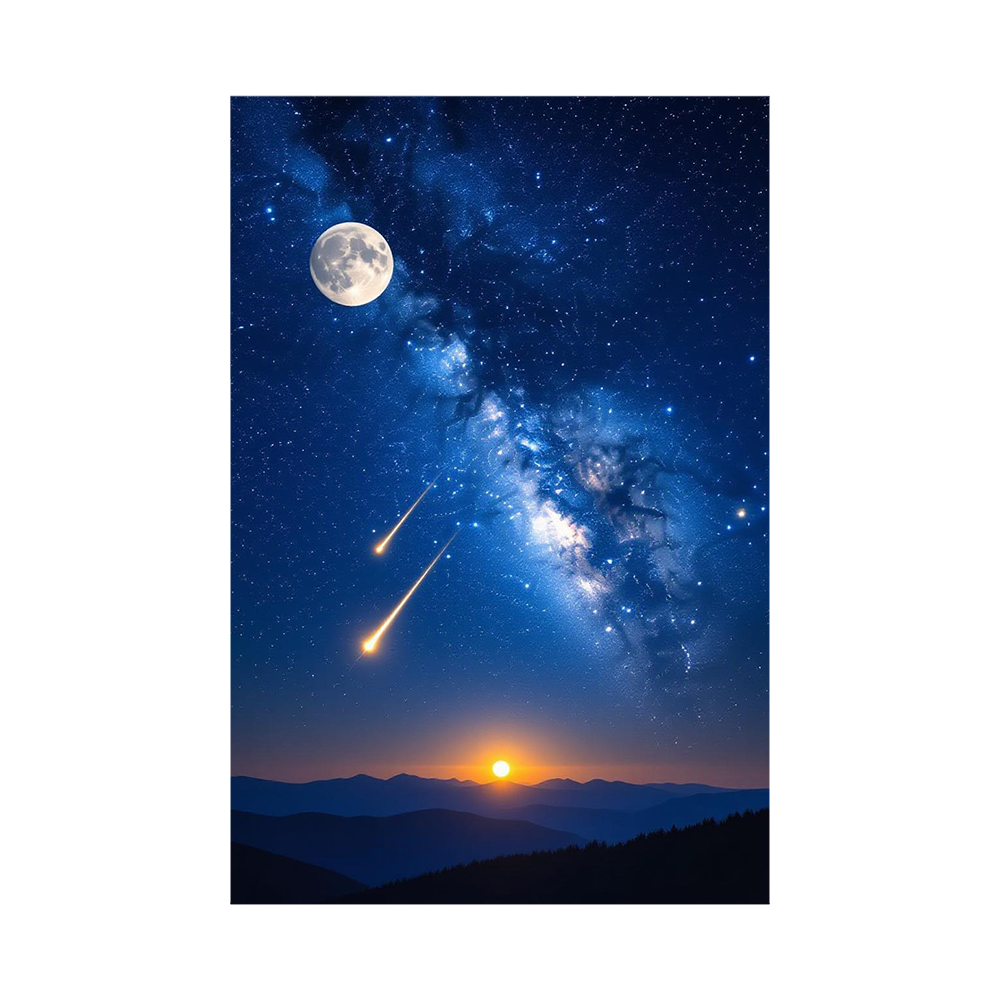
When tiny rocks from space enter Earthโs atmosphere, they burn up and create a bright streak of light known as a meteor or shooting star.
During special times of the year, you can witness meteor showers โ spectacular events where dozens of meteors flash across the sky every hour.
Best Meteor Showers:
Perseids: Around August 12โ13
Geminids: Around December 13โ14
Quadrantids: Early January
Best viewing tips:
Go to a dark area away from city lights.
Bring a blanket or reclining chair, and let your eyes adjust to the darkness.
No telescope needed โ just look up and enjoy!
If youโre new to astronomy, hereโs how to begin your journey:
Pick a clear night โ check weather apps for cloud-free skies.
Find a dark location โ rural areas or mountains are best.
Bring a sky map or stargazing app.
Be patient. Let your eyes adjust for at least 15โ20 minutes.
Soon, youโll start recognizing constellations, planets, and maybe even a satellite passing by!
Exploring the night sky isnโt just about science โ itโs about connection. Every moonrise, every shining planet, and every shooting star reminds us that weโre part of something vast and extraordinary.
So next time you look up, take a deep breath, slow down, and let the beauty of the cosmos remind you how infinite and inspiring our universe truly is.