Hair loss is one of the most frustrating and confidence-shaking issues people face today. Whether it’s gradual thinning, receding hairlines, or sudden shedding, losing hair can affect anyone — men and women alike — regardless of age. The good news? Most cases of hair loss are treatable and even preventable when addressed early.
In this comprehensive guide, Live Him Trend explores the real causes of hair loss, the most effective treatments available today, and natural prevention tips to help you regain healthier, fuller hair.
Hair loss, medically known as alopecia, refers to a decrease in the amount or thickness of hair on the scalp or body. It’s completely normal to lose about 50 to 100 hairs per day, but when the shedding becomes excessive or noticeable, it signals an underlying issue.
There are several types of hair loss, including:
Androgenetic Alopecia (Pattern Baldness): The most common form, inherited from family genes.
Alopecia Areata: An autoimmune condition that causes round bald patches.
Telogen Effluvium: A temporary shedding often triggered by stress or illness.
Traction Alopecia: Caused by tight hairstyles pulling on the scalp.
Understanding why hair falls out is the first step to stopping it. Here are the most common reasons:
Genetics and Family History
Hereditary hair loss (pattern baldness) is responsible for over 80% of cases. It usually begins with a receding hairline in men or thinning at the crown in women.
Hormonal Changes
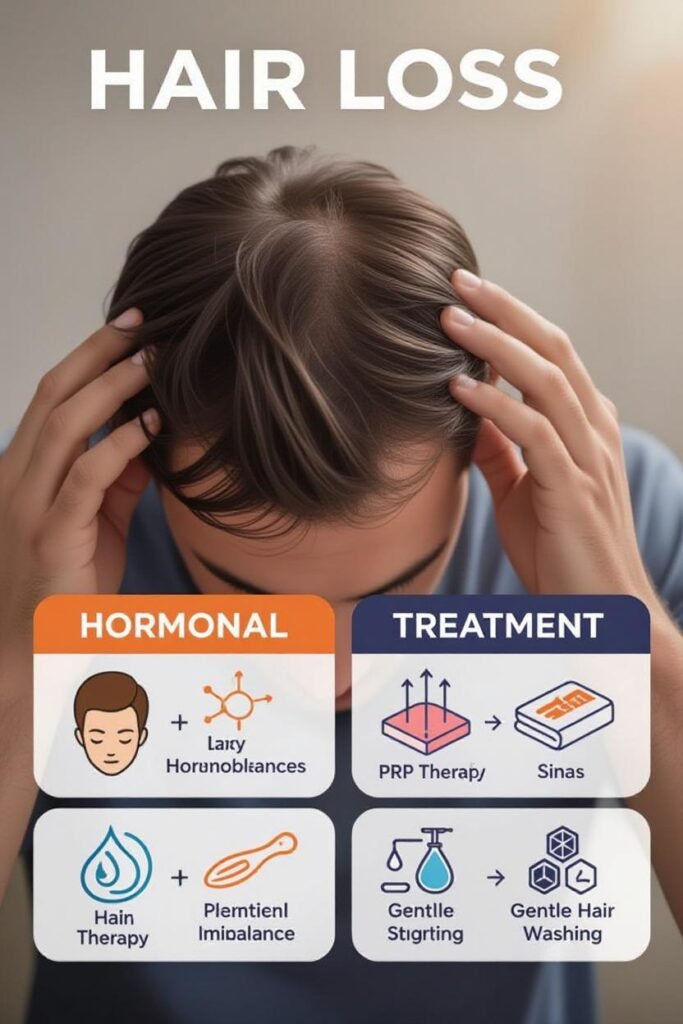
Pregnancy, menopause, and thyroid imbalances can alter hormone levels, disrupting the natural hair growth cycle.
Stress and Anxiety
Chronic stress can push hair follicles into a resting phase, leading to telogen effluvium — sudden and noticeable shedding.
Poor Nutrition
Hair is made of keratin, a protein that depends on nutrients like iron, zinc, biotin, and vitamin D. Without a balanced diet, your hair becomes weak and brittle.
Medical Conditions and Medications
Autoimmune diseases, anemia, or chemotherapy can directly affect hair growth and cause temporary or permanent loss.
Overstyling and Chemical Products
Frequent use of dyes, heat tools, or tight braids can damage follicles and weaken hair strands over time.
Thankfully, modern science and natural remedies offer several effective options for managing and reversing hair loss.
Minoxidil (Rogaine): An FDA-approved solution that stimulates new growth by increasing blood flow to hair follicles.
Works for both men and women and is available as a foam or liquid.
Finasteride (Propecia): Commonly prescribed for men, it reduces the hormone DHT that shrinks hair follicles.
Results typically appear after 3–6 months of continuous use.
Laser combs or caps use red light technology to boost follicle activity and increase hair density without side effects.
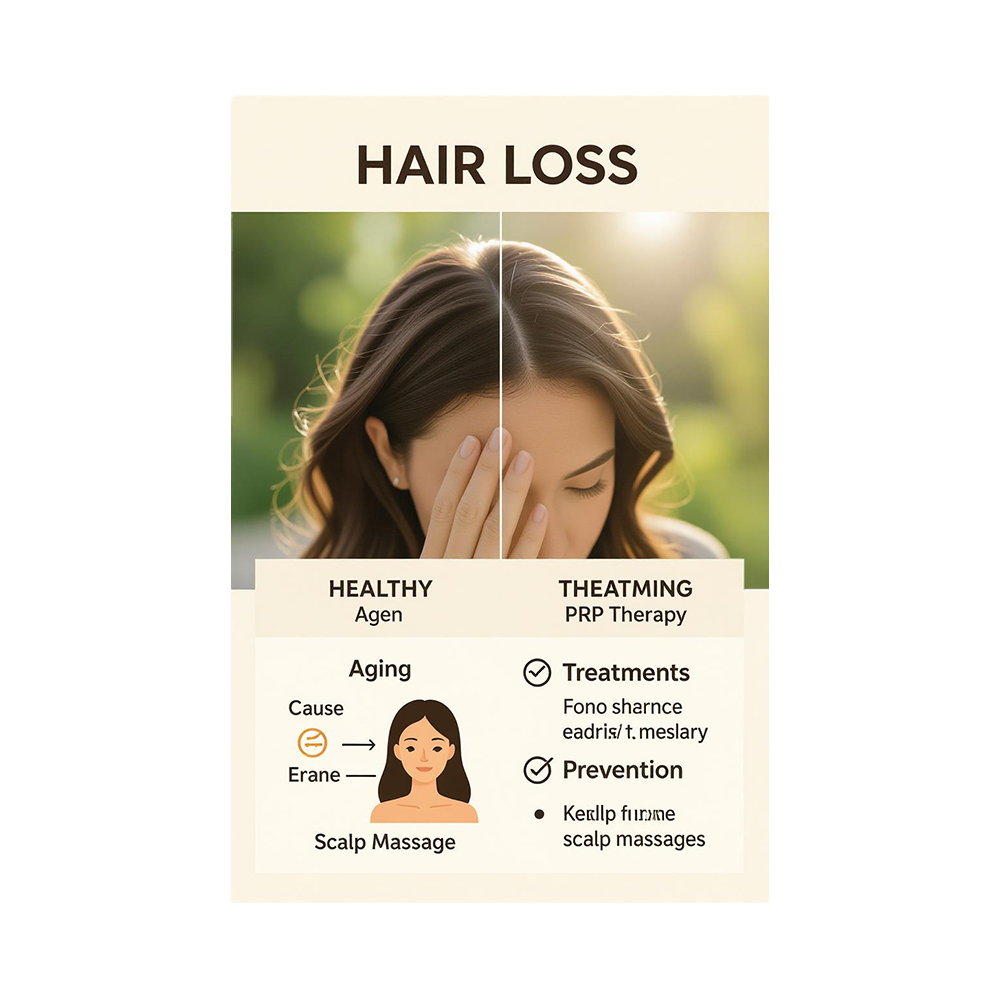
Involves injecting your own platelet-rich plasma into the scalp to trigger natural hair regrowth. This treatment has shown impressive results in clinical studies.
For advanced hair loss, transplant procedures move healthy hair follicles from dense areas to bald spots. Modern techniques like FUE (Follicular Unit Extraction) offer natural results with minimal scarring.
Not all solutions require medical treatments. Simple lifestyle changes and natural care can go a long way in preventing and reducing hair loss.
Eat a Hair-Friendly Diet
Incorporate foods rich in omega-3 fatty acids (salmon, chia seeds), protein (eggs, beans), and vitamins (spinach, avocados, nuts).
Massage Your Scalp Regularly
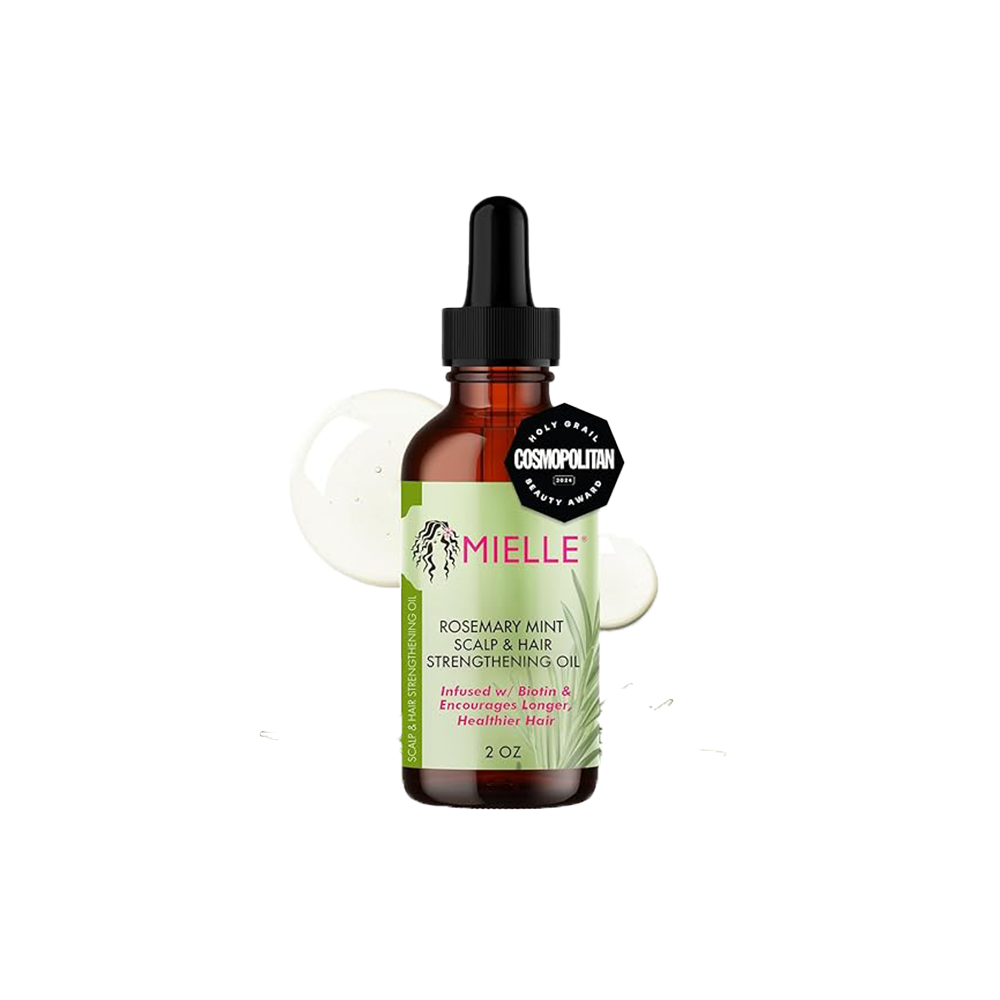
Improves circulation and helps nutrients reach the follicles more effectively. You can use natural oils like coconut, castor, or rosemary oil.
Stay Hydrated
Hair health starts from within. Drink at least 2–3 liters of water daily to keep your scalp hydrated.
Avoid Harsh Hair Products
Use mild, sulfate-free shampoos and conditioners. Avoid alcohol-based styling gels or sprays that can dry out your scalp.
Reduce Stress Levels
Try meditation, yoga, or regular exercise. Managing stress can help balance hormones and promote healthy growth.
Don’t Overbrush or Tug Your Hair.
Use a wide-tooth comb and avoid brushing wet hair.
Avoid Tight Hairstyles.
Styles like ponytails or braids that pull tightly can lead to traction alopecia.
Protect from UV Rays and Pollution.
Wear a hat or use hair serums with UV protection.
Get Regular Checkups.
Blood tests can detect deficiencies or hormonal imbalances early.
Sleep on a Silk Pillowcase.
It reduces friction and hair breakage while you sleep.
If you notice rapid hair thinning, bald patches, or sudden shedding after illness or stress, consult a dermatologist. Early diagnosis can prevent permanent loss and lead to more effective treatment.
In some cases, hair loss might signal a deeper health issue, such as thyroid problems or anemia, so medical evaluation is essential.
Hair loss isn’t just a physical issue — it can affect your confidence, relationships, and overall mental health. Talking to a professional therapist or joining hair-loss support groups can help you cope while undergoing treatment.
Remember: you are not alone, and with modern solutions, regaining your hair and self-esteem is completely possible.
Hair loss can be a challenging journey, but it doesn’t have to define you. By identifying the root causes early and taking proactive steps — from using the right treatments to improving your daily habits — you can achieve real, lasting results.
At Live Him Trend, we believe that healthy hair is part of a healthy lifestyle. Start caring for your scalp today, eat nutritiously, and choose gentle, proven treatments to reclaim your confidence — one strand at a time.